Deep Fried Kudzu
Twenty-plus years of documenting the South’s vernacular art, visionary environments and traditions… plus modern art exhibits, Faulkner and Eudora, and This Week’s Various. Welcome.
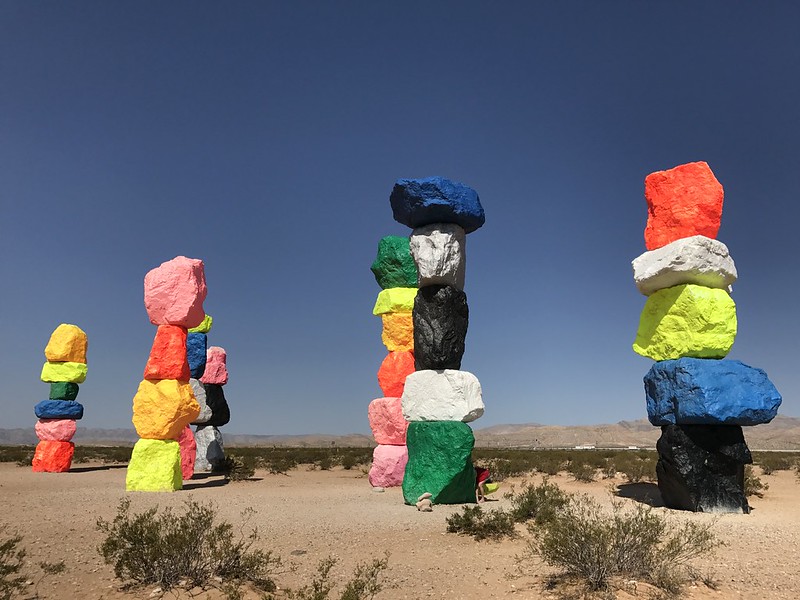

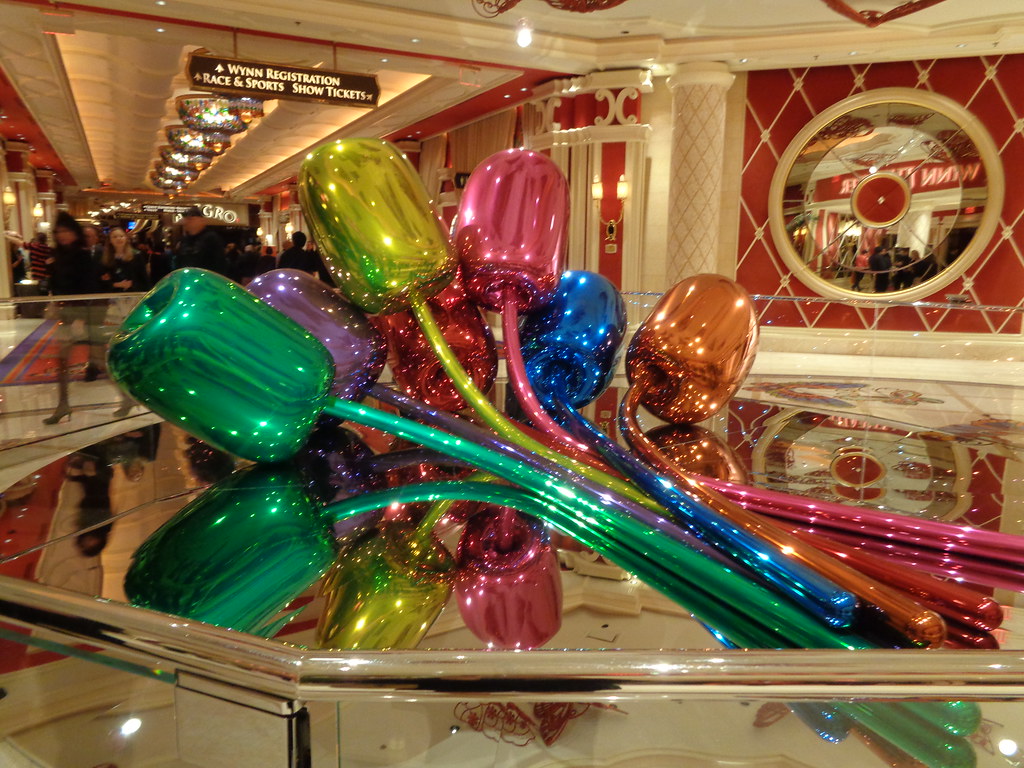
Jeff Koons, a Christie’s Auction, and His Art Across the South
Jeff Koons work at The Broad, 2025 Christie's will hold a sale on November 17th called Heroes & Lovers. From Christie's: Heroes & Lovers: Property of a Distinguished Collector unites an extraordinary group of works spanning the Renaissance to the 20th century, placing four paintings…
Recent posts
Older posts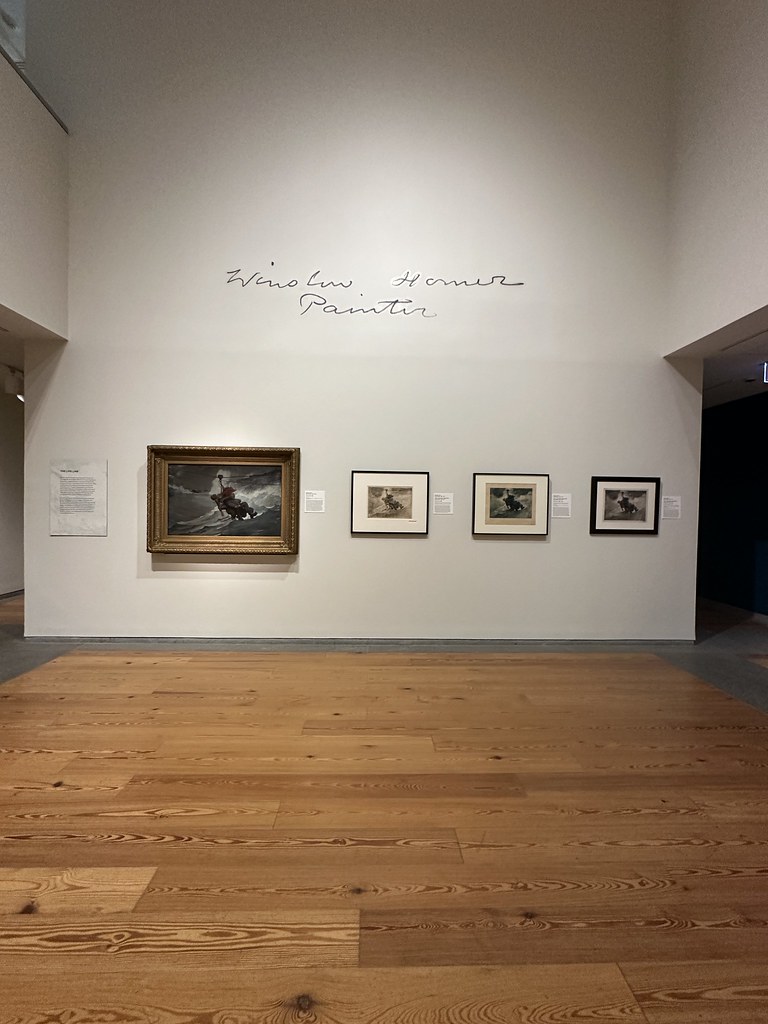
The Wyeths and Homer
The Winslow Homer: Painter, Etcher exhibition at the Portland Museum of Art closes October 18th and I'm so glad that Shugie, Brent,…
Oct 2, 2026
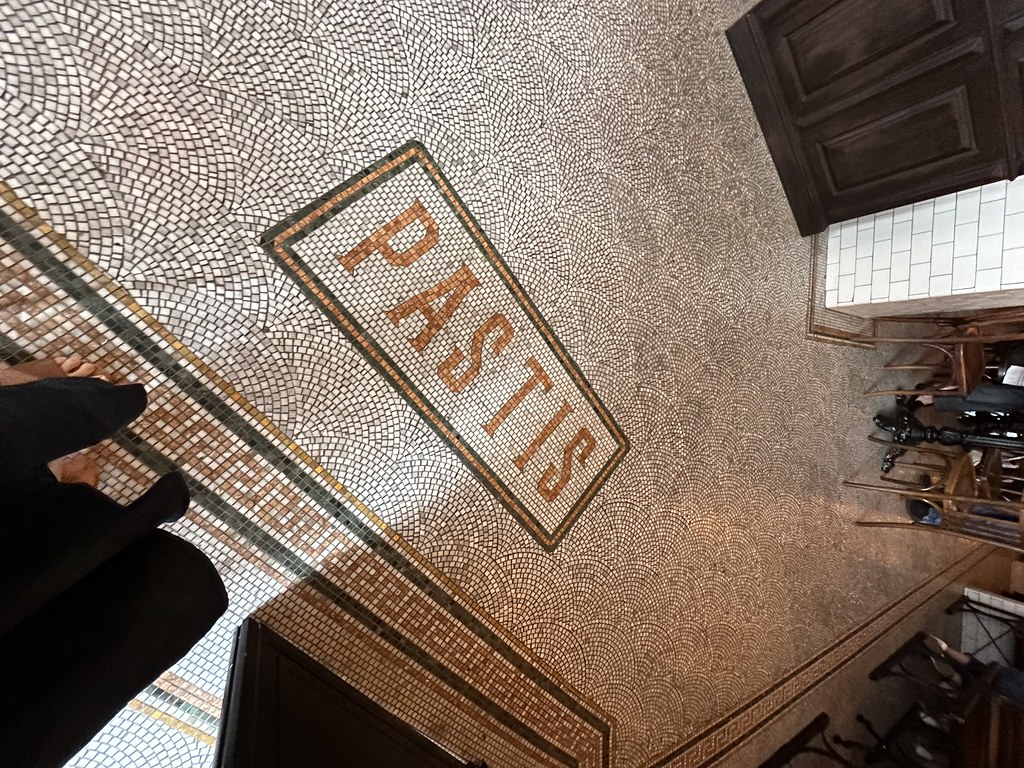
Make it Pastis, But Nashville
This was our first visit to Pastis in Nashville, and there are so many terrific places there, this may be our one…
Sep 29, 2026
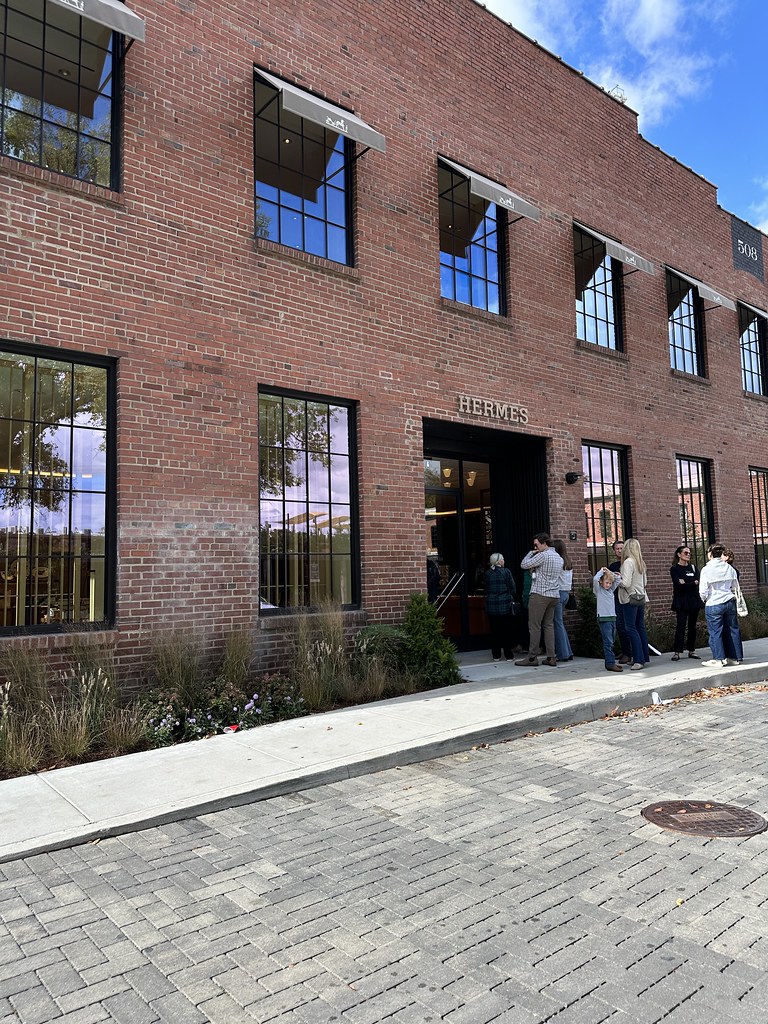
Hermes x Prattville
Last year, Brent and I wanted to have lunch at the new Pastis in Nashville, and Hermes had also just opened. I…
Sep 24, 2026

About

Hi — I’m Ginger. I document vernacular and visionary art and art environments, and study Southern folkways, currently documenting 100+ Alabama graveshelters.
Besides those things, I like to share recipes and visits to fab restaurants, museums, and hotels, and I’m so happy you’re at DFK today. You can email me with anything you’d like to share.
Careers
I’ve had two careers: first as CPO from a subsidiary spinoff of IMAX, then once I decided to return to an office setting when my boys were old enough to go to school, I became Creative Director at a boutique publishing company.
Family
Two fabulous, very active teen boys, one a sophomore at Alabama (RTR!) and the other a high school senior at ISS who also attends Bama Early College and Harvard Summer. I grew up a small-town girl and am the 7th generation of my family born in Alabama.
Volunteering
- Leadership Birmingham ’24
- President, Temple Emanu-El Sisterhood
- 2nd VP, Cliffside Garden Club; Immediate past president, Forest Park Garden Club
- Board, Alabama Holocaust Education Center; B’ham Hadassah; Alabama Folklife Association
- 2026–27 President, Indian Springs School Parent Association
- 2023 Junior League of Birmingham Provisional of the Year
- Honored to be introduced by Gov Ivey at her 2025 Chanukah reception at the Governor’s mansion and light the menorah
Have a good project? Let’s hear!
The lists

Recipes
The 20 most popular. All the recipes live on their own page.
- Pralines2005
- Lemon Bars2006
- Watermelon Rind Pickles2006
- Strawberry Pretzel Salad2006
- Creole Cream Cheese Cheesecake2007
- Comeback Sauce2007
- White Chocolate Bread Pudding2007
- Homemade Creole Cream Cheese2008
- Liver with Hot Pepper Jelly Appetizers2008
- Fantail Rolls2009
- Pot Likker Matzoh Balls2009
- Hummingbird Cake2009
- Alabama Caviar2009
- Glorious Fruitcake2009
- Original Lane Cake2010
- Tomato Pie2010
- Fork & Plate Fried Pies2010
- Fried Matzah Balls2011
- Passover Baby Bites2011
- Espresso Sorbet2012

Let’s Eat
Favorite restaurants.
- 01Le CirqueLas Vegas
- 02Commander’s PalaceNew Orleans LA
- 03Doe’s Eat PlaceGreenville MS
- 04Gibbes StoreLearned MS
- 05Chez FonfonBirmingham AL
- 06Taylor GroceryTaylor MS
- 07Lucky CheetahPortland ME
- 08Arnaud’sNew Orleans LA
- 09Bombay BrasserieSan Francisco CA
- 10Antoine’sNew Orleans LA
- 11Ninfa’s on NavigationHouston TX
Extra credit
- The Poodle RoomLas Vegas NV
- Niner Wine EstatesPaso Robles CA
- Randy’s DoughnutsLos Angeles CA
- Hitching Post IIBuellton CAfor wine outdoors
- The Cake Bake ShopIndianapolis IN
- The GarageBirmingham AL
- The Culinary RoomLockhart TXthe cookies, omgosh
- Crown WineryLeipers Fork TNfor enjoying wine while sitting in the middle of the creek

Let’s Stay A While
Favorite hotels.
- 01Urban CowboyNashville
- 02Ritz-CarltonNew Orleans
- 03CosmopolitanLas Vegas
- 04Mansion on Forsyth Park – Hotel BardoSavannah
- 0521C Museum HotelBentonville
- 06Dwell HotelChattanooga
- 07The DriskillAustin
- 08St RegisAtlanta
- 09St Anthony HotelSan Antonio
- 10Ritz-CarltonLake Oconee – Reynolds

Making Little Maps
I make niche-y little maps.
- 01Indie Bookstores in AlabamaIndependent, new-book-forward bookstores across the state. Excludes shops focused mostly or entirely on used books.
- 02SlugburgersDocumenting the places that still make and serve the slugburger.
- 03Original Whataburger A-FramesStill functioning as Whataburgers.
- 04Old Soda Fountains and Dairy Bars in AlabamaNot comprehensive (yet).
- 05Opry Houses and the LikeIn Alabama and Mississippi.
- 06Revolving Table and Family-Style RestaurantsMenu-less: all dishes automatically served.
- 07Historic Alabama Theatres / TheatersMany no longer in regular use, but all still displaying their marquees at the time of last visit.
- 08Covered Bridges of Alabama= treasures
Shop my bookshelf
Books I’ve read or mentioned here, April–September 2026. Bookshop ships from indie bookstores; Amazon sometimes has better inventory.

- Family RomanceJohn Singer Sargent and the Wertheimersby Jean StrouseBookshopAmazon
- Southern Women, Southern LandscapesCultural Reflections on the Garden, 1870–1970BookshopAmazon
- One Writer’s GardenEudora Welty’s Home PlaceBookshopAmazon
- The Art of George RodrigueBookshopAmazon
- The Louisiana Houses of A. Hays TownBookshopAmazon
Being published
I’m grateful that my images, written work, and creative concepts have been published, and that I serve as a source and consultant on Southern folklife and foodways.

- 088Moon Winx sign in the Society for Commercial Archaeology Journal, fall 2026
- 087Agam memorial in Supergraphic Landscapes: From Public Art to Urban Design, coming in 2026
- 086Nadine Earles Dollhouse Monument, Alabama Heritage Magazine
- 085Dentzel Carousel photo for the Memphis Grand Carousel
- 084Editor, Tributaries 18
- 083Dual Destiny monument image in a 4th grade textbook
- 082Editor, Tributaries 17
- 081Images for the Alabama Heritage site and Instagram
- 080Images, Encyclopedia of Alabama
- 079Contributor of art environment images at SPACES
- 078Moon Winx sign at The Retrologist
- 077Speaker, Holocaust Remembrance Day at Athens State University
Show all 88Show fewer
- 076Successfully nominated Alice Finch Lee to the 2023 Alabama Women’s Hall of Fame
- 075Futuro architecture pic for the Virginian-Pilot
- 074Stained glass window image in an art installation at St Marks Episcopal Church, Palo Alto CA
- 073Reviewer, Alabama Folklife Association Fellowship applications
- 072Roadside religious images in Icon & Spirit, Volume 2
- 071Jim Bird’s art environment in Folkland AL for SPACES
- 070Glass restrooms in downtown Sulphur Springs TX for city planning presentations
- 069Mary Points monument in American Gravestone Studies Quarterly
- 068Old Houston Jail in Alabama Magazine
- 067Key Underwood Coon Dog Cemetery and more Wade Wharton images for SPACES
- 066Regions Field image for the Birmingham Baseball exhibit at Vulcan Park & Museum
- 065Nelle Harper Lee pic in a TKAM piece, Gorky Institute of World Literature, Russian Academy of Sciences
- 064Coal Service Station in Business Alabama Magazine
- 063Photo for an Anne LeBaron CD booklet
- 062Various, Birmingham Wiki
- 061Joe Minter’s African Village in America image for Atlanta Magazine’s Southbound
- 060Various, al.com
- 059Tom Hendrix Wichahpi Commemorative Stone Wall at Atlas Obscura
- 058Roadside religious signs for Okra Magazine
- 057Green Warehouse pic in a William Christenberry piece, Medium Vantage
- 056Courthouse murals images for Hyperallergic
- 055Simmons-Wright Country Store image for Atlanta Magazine’s Southbound
- 054Images of Old Cahawba for Alabama Magazine
- 053Rockower Award, cover design
- 052Images of Wade Wharton’s art environment for SPACES
- 051Museum image for Eat Dat New Orleans, 2nd edition
- 050Hystercine Rankin quilt image at Converge Magazine
- 049Mound image for Architecture of First Societies: A Global Perspective
- 048Consulted, Andrew Zimmern’s Bizarre Foods America, Birmingham episode
- 047Quoted, images for a Yahoo! Shine feature on slugburgers
- 046Speaker, Alabama Community Scholars Institute, Alabama Folklife Association
- 045New Encyclopedia of Southern Culture, Folk Art v. 23
- 044Image purchased by McDonald’s for local imagery in Tennessee
- 043Source for Legends, Lore, and True Tales of the Chattahoochee
- 042Koolickle image for Scholastic’s Action Magazine
- 041Anniston Star feature: Deep Fried Kudzu is Alabama Blogger’s Love Letter to the South
- 040‘I Heart Alabama Gulf Seafood’ feature for Alabama Gulf Seafood
- 039Koolickle image at the BBC
- 038Gee’s Bend Quilt Mural for Barn Quilts and the American Quilt Trail Movement
- 037Vincent Oliver’s Hippodrome for Black & White
- 036Koolickle for FoodandWine.com
- 035Adjudicated folk art fellowship, apprenticeship and roster applications for the Mississippi Arts Commission
- 034American Village sounding board pic for a Society of Colonial Wars book
- 033Interview about DFK and travel in Alabama on Tapestry, WBHM public radio
- 032Feature on DFK and Easter baskets for children in homeless shelters, with a naturally-dyed eggs tutorial, for Publix FamilyStyle
- 031W.C. Rice’s Cross Garden image at Art21
- 030Stone bath mat idea for Lowe’s Creative Ideas Magazine
- 029Consultant on the Mississippi Culinary Trail for MS Tourism
- 028Poster in Crit Architecture Journal
- 027Peaches Cafe pic for a Barefoot Workshops documentary
- 026Contributor, Best Road Trip Ever! iPhone app
- 025Howard Finster image in Glorious Constructions, on preserving salvation-themed visionary art environments
- 024Pics in Alabama’s Civil Rights Trail: An Illustrated Guide to the Cradle of Freedom
- 023Dreidel pad game idea for Lowe’s Creative Ideas Magazine
- 022Star of David idea for Lowe’s Creative Ideas Magazine
- 021Snowman cutout yard idea for Lowe’s Creative Ideas Magazine
- 020Gift wrap station idea for Lowe’s Creative Ideas Magazine
- 019Indian mound pics in the movie The New Daughter
- 018Oxford Mound for the Institute of Southern Studies
- 017Mississippi Amish community in the Jackson Free Press
- 016Slugburger at Serious Eats
- 015Moundville pics in an educational film on indigenous people by the University of Chile
- 014Benjamin Butler pot in National Park Service literature at Lowell National Historic Park
- 013Pensacola Futuro house pic at the New York Daily News
- 012Monroeville Courthouse / Mockingbird pics in Good Reading Magazine
- 011Causeyville General Store pic in the web game ‘Adventure A-Go-Go’ for Aloft Hotels
- 010Doe’s Eat Place tamales image at Gourmet.com
- 009Montreal’s Gibeau Orange Julep in Food: Alphabet City Magazine 12
- 008Organizing feature at Apartment Therapy
- 007Pics of Joe Minter’s art environment, including him, for an exhibit at Vulcan Park and Museum
- 006Various pics, Encyclopedia of Alabama
- 005Bryant Store pic in OnStage, the Goodman Theatre magazine, Chicago
- 004Boll Weevil Monument pic in the French journal Insectes
- 003Katrina pics in the Louisiana PBS documentary Surviving the Storm
- 002Courthouse protest in Harvard College Economics Review
- 001Cover of the Juke Joint Soul CD
You must be logged in to post a comment.